
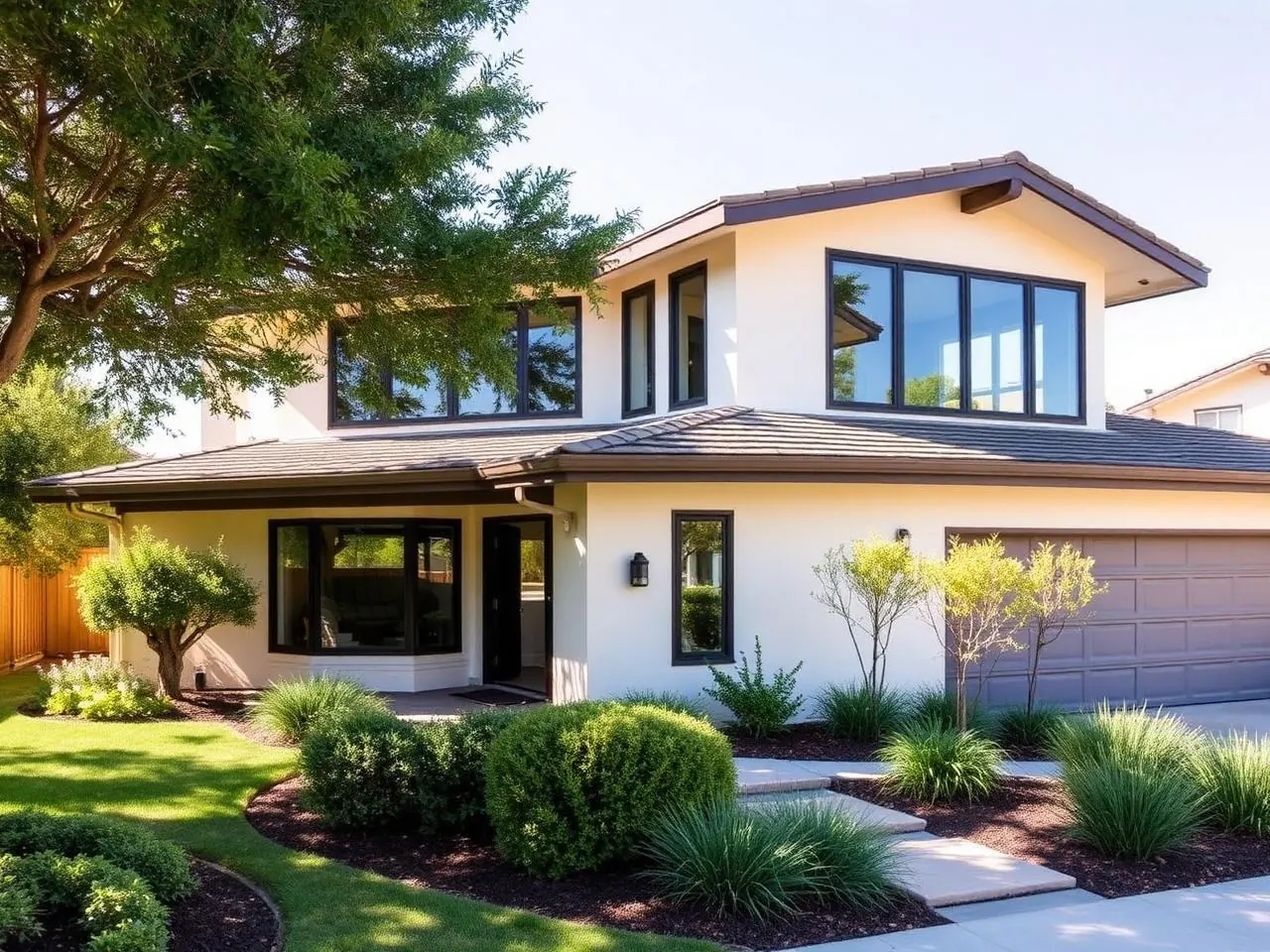
The decision usually comes down to one question: do you need a separate home, or more of the home you already have? An ADU creates an independent dwelling with its own kitchen, bath, and entry. An addition makes your existing house bigger or better organized. Cost, permitting, and disruption follow from that difference.
Dollar figures on this page are preliminary planning ranges, not bids, and permitting rules vary by jurisdiction and parcel. Confirm requirements with your city or county planning department before making commitments.
Side-by-side comparison
| Factor | ADU | Room addition |
|---|---|---|
| What you get | A separate, self-contained dwelling with its own kitchen, bath, and entry. | More space inside your existing home — bedroom, suite, family room, or kitchen. |
| Preliminary starting range | Garage conversion from $95K; detached studio from $195K. | Small addition from $65K; primary suite from $135K. |
| Permit path | ADU-specific state law plus local rules; largely ministerial in many jurisdictions. | Standard residential addition review — zoning, setbacks, lot coverage, structural. |
| Rental income | Can typically be rented as an independent unit under state law. | Not a separate rentable unit; adds living space to the primary home. |
| Utilities | Often needs a service upgrade, new sewer connection, and independent HVAC. | Usually extends existing systems, though panel or HVAC capacity may still limit it. |
| Yard impact | Detached units consume yard area; conversions do not. | Ground-floor additions reduce yard; second-story additions do not. |
| Living through construction | Detached work is usually less disruptive to daily life. | Work happens against or inside the house, so disruption is higher. |
When an ADU is the better answer
- You want rental income or long-term flexibility from the property.
- A family member needs independent living space with privacy.
- Your house works fine — you just need another dwelling on the lot.
- You have a garage or unused accessory structure worth converting.
- You'd rather not live inside a construction zone.
Start with detached ADUs, garage conversions, or junior ADUs. The statewide framework for all of them is documented in the HCD ADU Handbook.
When an addition is the better answer
- The floor plan is the problem — too few bedrooms, one bath, a cramped kitchen.
- You want everyone under one roof rather than in a separate unit.
- Your lot is too small or too constrained for a detached structure.
- You're planning to sell and want the main house to compete better.
- You need a primary suite, family room, or expanded kitchen specifically.
Explore room additions, master suite additions, kitchen expansions, and second-story additions.
Let the lot help you decide
Small or narrow lots
When setbacks and lot coverage leave little open ground, a conversion ADU, a JADU inside the house, or a second-story addition usually beats a detached build.
Deep lots with real backyard space
These are the strongest candidates for a detached ADU — though longer utility runs to the rear of the property should be budgeted for.
Hillside, fire-zone, and coastal parcels
Grading, defensible space, fire access, and coastal review affect both options. In these cases the design that limits new ground disturbance is often the more predictable path.
You don't always have to choose
Plenty of properties support an addition to the main house and an ADU on the same lot. Designing them together — even if construction is phased — avoids paying twice for design coordination, structural review, and utility upgrades.
Frequently asked questions
Which adds more value — an ADU or a room addition?+
It depends on the property, the neighborhood, and the configuration. An ADU can add both usable square footage and potential rental income, while a well-placed addition can fix a floor plan that limits the home's appeal. Value outcomes vary by market and comparable sales, so evaluate both against your own goals and local comps.
Can I build both an ADU and an addition?+
Often yes, subject to lot coverage, setbacks, and local rules. Combining them in one design and permit effort can reduce duplicated design and mobilization work compared with doing them years apart.
Is an ADU permit easier than an addition permit?+
California ADU law standardizes many requirements and limits discretionary review in a number of situations, which can make the path more predictable. An addition follows standard zoning and building review. Which one moves faster depends heavily on your jurisdiction and parcel.
Does an ADU raise my property taxes?+
New construction is typically assessed as an added value to the property rather than triggering a reassessment of the entire home. Specifics are handled by your county assessor, so confirm with them for your parcel.
What if my main goal is housing a family member?+
If independence and privacy matter most, an ADU or JADU usually fits better. If the goal is keeping everyone under one roof with more room, a bedroom or suite addition is often the more direct answer.
Which option is less disruptive to live through?+
A detached ADU generally keeps construction away from your daily routine. Additions involve opening walls and roofs on the house itself, and a second-story addition is the most disruptive of the common options.
Not sure which one fits? Let's look at your lot.
Tell us your goals and address. We'll compare both paths for your parcel and come back with zoning, buildable envelope, and starting ranges for each.