
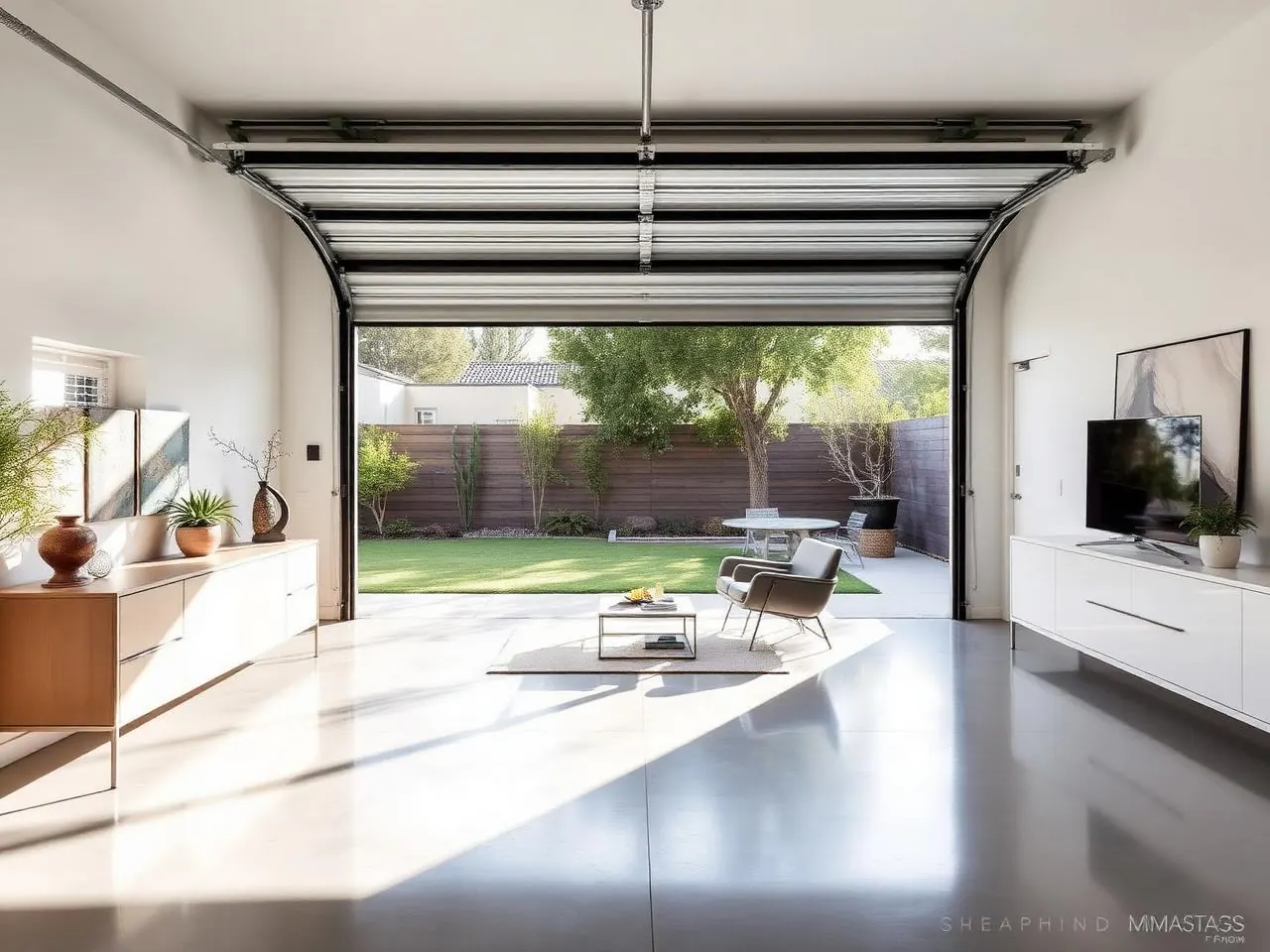
A garage conversion skips the most expensive parts of an ADU — foundation, framing, and roof already exist. What it does not skip is permitting. The change from parking to dwelling is new occupancy, and every Orange County jurisdiction requires a building permit with the documentation to match. Done right, it is one of the most economical permitted units you can add.
This is general planning information from HomeAdd, not legal or code advice for your property. Requirements vary by city and change over time. Confirm current standards with the department that has authority over your parcel.
Who reviews the permit: city first, county rarely
Orange County is a patchwork of incorporated cities, and your permit goes to the one your address sits in. Costa Mesa, Irvine, Newport Beach, and Huntington Beach each run their own building departments with their own checklists. OC Public Works reviews only unincorporated parcels. Confirming jurisdiction is step one — submittal requirements are not portable between departments.
State rules that work in your favor
California's ADU law removes several classic obstacles to garage conversions, and the HCD ADU Handbook is the authoritative summary:
- No replacement parking. When an existing garage converts to an ADU, state law does not require the lost parking to be replaced.
- Ministerial approval. Compliant conversions are approved without discretionary hearings, and the agency must act on a complete application within 60 days under Government Code § 65852.2.
- Existing footprint, existing setbacks. A conversion within the existing structure is generally not penalized for setbacks the building already has — state law treats the conversion of existing space differently from new construction.
These are statewide floors. Cities administer the details — submittal format, plan-check routing, inspection scheduling — and those details are where local experience pays.
What the conversion actually has to satisfy
Structure and envelope
Garage slabs and framing were not built for habitation. The permit set addresses moisture control at the slab, wall and ceiling insulation, and any structural upgrades the existing framing needs — most visibly where the garage door opening becomes a wall with windows.
Egress, light, and ventilation
Sleeping areas need code-compliant emergency escape openings, and habitable rooms need minimum natural light and ventilation. Window placement is a design decision with code dimensions behind it, which is why it belongs in the drawing phase rather than on site.
Plumbing and electrical
A full kitchen and bath mean new plumbing runs — often trenching to tie into the sewer lateral — and a meaningful electrical load. Panel capacity is one of the first things we check, because a required service upgrade is a real line item, not a footnote.
Energy compliance
Conversions are alterations under California's Building Energy Efficiency Standards, and applications filed in 2026 are documented under the 2025 Energy Code per the California Energy Commission. The compliance forms are prepared as part of the permit set.
Coastal-zone properties
Homes near the coast in Huntington Beach, Newport Beach, and other shoreline cities can sit inside the California Coastal Zone, where additional coastal review may apply on top of the building permit. State law has narrowed how coastal rules treat ADUs, but the answer is parcel-specific — we verify coastal jurisdiction during feasibility rather than discovering it in plan check.
Already converted without a permit?
Older OC neighborhoods have plenty of garage conversions that were never permitted. Legalization means bringing the existing work up to current code through the permit process — which can involve opening finished surfaces so structure, insulation, and wiring can be verified. It is often achievable, but it should be scoped honestly at the start, because verification work is real scope. Our garage conversion guide covers the planning side in more depth.
How HomeAdd runs an OC garage conversion
We assess the existing structure and panel during feasibility, design the conversion to your city's checklist, and manage submittal, corrections, and inspections under one contract. Preliminary planning ranges for conversions start around $85K; a detailed construction proposal follows feasibility and design. See the garage conversion service page for scope detail, and the OC ADU permit timeline guide for the review sequence.
Frequently asked questions
Do I need a permit to convert my garage into living space in Orange County?+
Yes. Converting a garage to a dwelling unit changes the occupancy and requires a building permit with structural, electrical, plumbing, mechanical, and energy documentation. Work done without a permit typically has to be legalized later — usually at greater cost than permitting it correctly the first time.
Do I have to replace the parking when I convert my garage to an ADU?+
Under California's ADU law, replacement parking is not required when an existing garage is converted to an ADU. The California HCD ADU Handbook summarizes this and the other statewide standards local agencies must apply. Local rules still govern the rest of the site, so confirm your parcel's specifics with the reviewing city.
Who issues a garage conversion permit in Orange County?+
The incorporated city your address sits in — Irvine, Costa Mesa, Newport Beach, Huntington Beach, and the rest each run their own building departments. OC Public Works reviews unincorporated Orange County parcels only. Confirm the jurisdiction before assuming any process detail from a neighbor's project.
Can I convert my garage if my home is near the coast?+
Often yes, but parcels inside the California Coastal Zone can require additional coastal review alongside the building permit. State law has narrowed how coastal rules apply to ADUs; the answer for a specific parcel comes from verifying its coastal jurisdiction during feasibility.
What does a garage conversion typically cost in Orange County?+
As a preliminary planning range, a permitted garage conversion ADU of roughly 400–500 sq ft starts around $85K with mid-range finishes, driven by insulation, egress, plumbing runs, and panel capacity. Site conditions and scope move the number; a detailed construction proposal follows feasibility and design.
What if my garage was already converted without a permit?+
Unpermitted conversions are common in older OC housing stock, and they generally must be legalized — brought up to current code through the permit process — rather than ignored. Legalization is very doable in many cases, but it should be assessed honestly during feasibility because it shapes scope and budget.
Is your garage a good conversion candidate?
We'll assess the structure, panel, and utility path on your property and tell you what a permitted conversion realistically involves — no obligation.