
Quick answer
In Ventura County, a home addition is permitted by the city if your address is inside an incorporated city such as Thousand Oaks, Simi Valley, Camarillo, Oxnard or Ventura, and by the County Resource Management Agency (RMA) only on unincorporated parcels. On unincorporated land, an addition first needs a Zoning Clearance (or a Coastal Planned Development Permit in the coastal zone), then a building permit through plan check.
Key takeaways
- Confirm city vs. County RMA before anything else; checklists and fees differ by agency.
- Unincorporated additions need a Zoning Clearance (non-coastal) or a Coastal Planned Development Permit (coastal zone) before the building permit.
- In Thousand Oaks, any work in an oak's protected zone needs a permit.
- Look up your Fire Hazard Severity Zone early; the state maps were updated in 2024 and 2025.
- Oxnard requires preliminary Planning review before you submit plans.
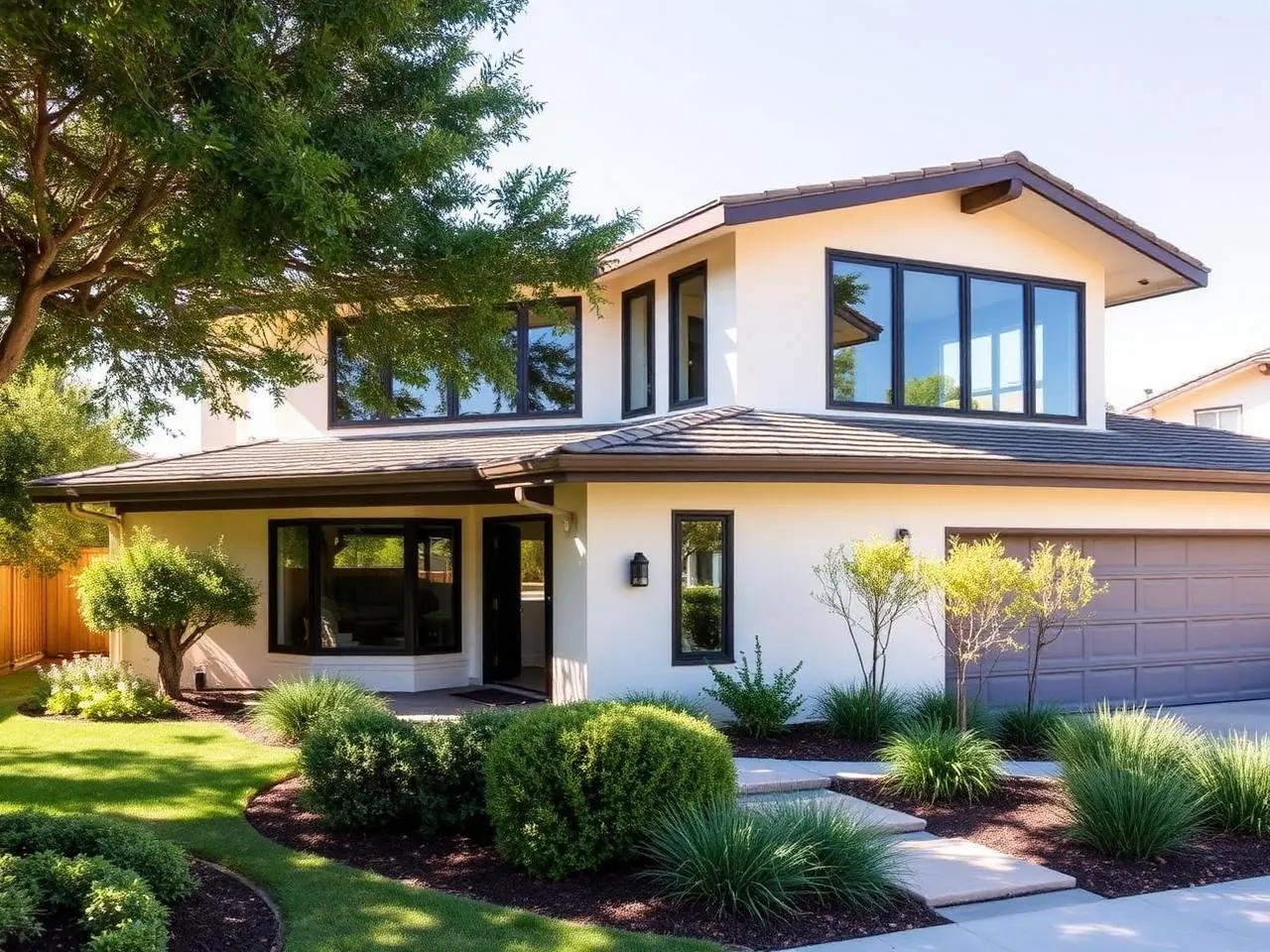
Adding a bedroom, a family room or a full second story in Ventura County is a permitted construction project, and which agency reviews it decides almost everything else: the checklist, the fees, the planning step before plan check and the local rules that apply. This guide covers room additions and larger home additions. Planning an ADU instead? See the Ventura County ADU permit guide.
This is general planning information from HomeAdd, not legal advice for your property. Submittal requirements, review paths, and fees vary by jurisdiction and change over time. Confirm current requirements with the agency that has authority over your parcel.
Step one: city or County RMA
If your address is inside an incorporated city, that city's planning and building divisions review the addition. That covers Thousand Oaks, Simi Valley, Camarillo, Oxnard and Ventura. The Ventura County Resource Management Agency (RMA) reviews additions only on unincorporated parcels, outside any city limit.
Checklists, fee schedules and the steps before plan check differ between a city counter and the County counter, so confirm the agency before anyone draws plans. Our Ventura County service area page covers the cities in our service area. The same city-or-county question applies on the Los Angeles side; see home addition permits in Los Angeles.
Unincorporated Ventura County: Zoning Clearance or coastal permit
On an unincorporated parcel, Ventura County Planning reviews the addition before the building permit. Its Home Addition page sets out the rules summarized below.
What the County treats as an addition
The County treats home additions, including attached patio covers, balconies and other attached structures, as "expansion": an increase in the living space or occupant capacity of a structure. It does not treat these as expansion:
- Unenclosed porches and patio covers.
- One enclosed addition of up to 30 sq ft.
- Detached accessory structures not for human habitation.
The first question is whether the site is in the coastal or non-coastal zone, because that decides the permit type.
Non-coastal zone: Zoning Clearance
Additions are allowed on residentially zoned parcels. Legal non-conforming parcels also qualify if they meet setback and lot coverage requirements. A Zoning Clearance is required, and the standards are in Section 8106-5.15 of the Non-Coastal Zoning Ordinance. The submittal goes to the Planning Public Counter and includes:
- A Zoning Clearance application.
- Site plans, with one set of 8.5" x 11" reductions.
- Floor plans.
- Elevations.
Coastal zone: Coastal Planned Development Permit
In the coastal zone, an addition must meet Section 8174-4 of the Coastal Zoning Ordinance and requires a Coastal Planned Development Permit (or a modification of one). The Planning Director issues it after environmental review and neighbor notification. Some areas are exempt under Section 8174-5.
Planning fees come from the Planning Division fee schedule, so check the current schedule rather than relying on a number from another project.
County building permit and plan check
After planning review, the addition goes through Ventura County Building and Safety. Its Building Codes and Permits page lists the 2022 Ventura County Building Code (Ordinance No. 4608) as the applicable code, and sets these rules:
- Who may pull the permit: the property owner, a person with the owner's written authorization, or an appropriately licensed California contractor.
- What plan review covers: building, plumbing, mechanical and electrical. Corrections are marked on the plans, and plans are resubmitted until approved.
- How long plan review stays open: 360 days, with one extension of up to 360 days available on request.
- When an issued permit expires: if work is not started within 12 months, or if work is suspended or abandoned for 180 days or more. The Building Official may extend it for good cause.
City notes: Thousand Oaks, Simi Valley, Oxnard, Ventura and Camarillo
Thousand Oaks
The Thousand Oaks Building Division takes applications through its Application Assistant. Inspections can only be scheduled through the TO/24 portal, and all fees must be paid before the permit is issued.
Thousand Oaks oak trees
All oak (Quercus) trees over two inches in diameter are protected in Thousand Oaks. The protected zone runs five feet beyond the outer edge of the canopy or 15 feet from the trunk, whichever is greater. Any work that affects the tree or the soil in that area, other than removing dead wood, needs a permit. If the addition involves building or grading near an oak's canopy, apply for an Oak/Landmark Tree Permit. The rules are in Article 42 of the Thousand Oaks Municipal Code, summarized on the city's Trees page.
Simi Valley
Simi Valley requires construction permits for "remodeling or adding to any existing building." Most structures must be designed by a California-registered architect or engineer, and the drawings go in with supporting documents, such as structural calculations, for plan review. Source: Simi Valley Building Construction Overview.
Oxnard
Oxnard's residential addition requirements run in two steps:
- A preliminary review by the Oxnard Planning Division, required before plan submission.
- The building submittal: a Building Permit Application (B101), the Plan Submittal Checklist, three sets of full-size plans and two sets of calculations (structural if applicable, and energy). Plan requirements are in the B250 Residential Additions handout.
Plan check fees are based on project valuation and are paid before plan check starts.
City of Ventura
Ventura's Planning staff review building permit applications for zoning compliance, and some additions need a separate entitlement first. The city's example is an addition to a historic Victorian home, which needs Historic Design Review. Source: Ventura Permit Types and Processing Guide.
Camarillo
Confirm submittal requirements with the City of Camarillo's planning and building divisions before design starts.
Fire Hazard Severity Zones
The State Fire Marshal's Fire Hazard Severity Zone maps for the State Responsibility Area (SRA) took effect April 1, 2024. The Local Responsibility Area (LRA) maps were released in four phases in 2025: February 10, February 24, March 10 and March 24. Check your address in the FHSZ viewer on the CAL FIRE OSFM Fire Hazard Severity Zones page, and for an LRA parcel, contact the local jurisdiction.
A zone can add ignition-resistant construction requirements to an addition. Look the parcel up before design and confirm what applies with the agency that reviews it.
Energy code for permits filed in 2026
The California Energy Commission states that permit applications filed on or after January 1, 2026 must comply with the 2025 Building Energy Efficiency Standards (Title 24, Part 6). Energy compliance documentation is part of the permit set for an addition.
Budget and next steps
Permits are one part of the budget. These are the starting-at planning ranges from our service pages; they are not quotes, and a written proposal follows feasibility and design.
- Small addition (120–220 sq ft): starting at $60K
- Primary bedroom (250–400 sq ft): starting at $120K
- Great room / suite (450–600 sq ft): starting at $200K
- Mid-size (500–900 sq ft): starting at $175K
- Large (900–1,400 sq ft): starting at $355K
- Whole-home / 1,400+ sq ft: starting at $625K
The cost estimator gives a rough range for your scope, the home addition cost guide explains what moves the number, and the guide to financing a home addition covers how homeowners pay for one. Our process page shows how feasibility, design, permits and construction fit together.
Frequently asked questions
Who issues home addition permits in Ventura County?+
It depends on your address. If the property is inside an incorporated city such as Thousand Oaks, Simi Valley, Camarillo, Oxnard or Ventura, that city reviews and permits the addition. The Ventura County Resource Management Agency (RMA) reviews additions only on unincorporated parcels, outside any city limit.
Do I need a Zoning Clearance for an addition in unincorporated Ventura County?+
Yes in the non-coastal zone: Ventura County Planning requires a Zoning Clearance for a home addition before the building permit. In the coastal zone, an addition needs a Coastal Planned Development Permit (or a modification of one) instead, with some exempt areas. The County does not treat unenclosed porches and patio covers, one enclosed addition of up to 30 sq ft, or detached accessory structures not for human habitation as expansion.
Can an oak tree affect a home addition in Thousand Oaks?+
Yes. In Thousand Oaks, all oak (Quercus) trees over two inches in diameter are protected. The protected zone extends five feet beyond the outer edge of the canopy or 15 feet from the trunk, whichever is greater, and any work that affects the tree or the soil in that area, other than removing dead wood, needs a permit. If you plan to build or grade near an oak's canopy, apply for an Oak/Landmark Tree Permit; the rules are in Article 42 of the Thousand Oaks Municipal Code.
How do I check whether my lot is in a Fire Hazard Severity Zone?+
Look up the address in the State Fire Marshal's Fire Hazard Severity Zone viewer. The State Responsibility Area maps took effect April 1, 2024, and the Local Responsibility Area maps were released in four phases in 2025. For a parcel in a Local Responsibility Area, contact the local jurisdiction. A zone can add ignition-resistant construction requirements, so confirm them with the agency reviewing your addition.
How long does a Ventura County building permit stay valid?+
Ventura County Building and Safety says a permit expires if work is not started within 12 months, or if work is suspended or abandoned for 180 days or more; the Building Official may extend it for good cause. Before the permit issues, plan review stays active for 360 days, and one extension of up to 360 days may be requested.
Does Oxnard review additions before plan check?+
Yes. The City of Oxnard requires a preliminary review by its Planning Division before you submit plans. The building submittal then includes a Building Permit Application (B101), the Plan Submittal Checklist, three sets of full-size plans and two sets of calculations (structural if applicable, and energy); plan requirements are in the city's B250 Residential Additions handout.
Want the permit path mapped for your Ventura County address?
Send us your address and what you want to add. We'll confirm the reviewing agency, check the zoning and site conditions, and lay out the steps in order — no obligation.
Plan your project
Sources
Official references for the rules mentioned above. Local rules and site conditions vary; confirm with the agency that reviews your address.
- Ventura County RMA — Home Addition
- Ventura County RMA — Building Codes and Permits
- City of Thousand Oaks — Building Division
- City of Thousand Oaks — Trees
- City of Simi Valley — Building Construction Overview
- City of Oxnard — Residential Addition Requirements
- City of Ventura — Permit Types and Processing Guide
- CAL FIRE OSFM — Fire Hazard Severity Zones
- California Energy Commission — 2025 Building Energy Efficiency Standards